
Description
Product Overview
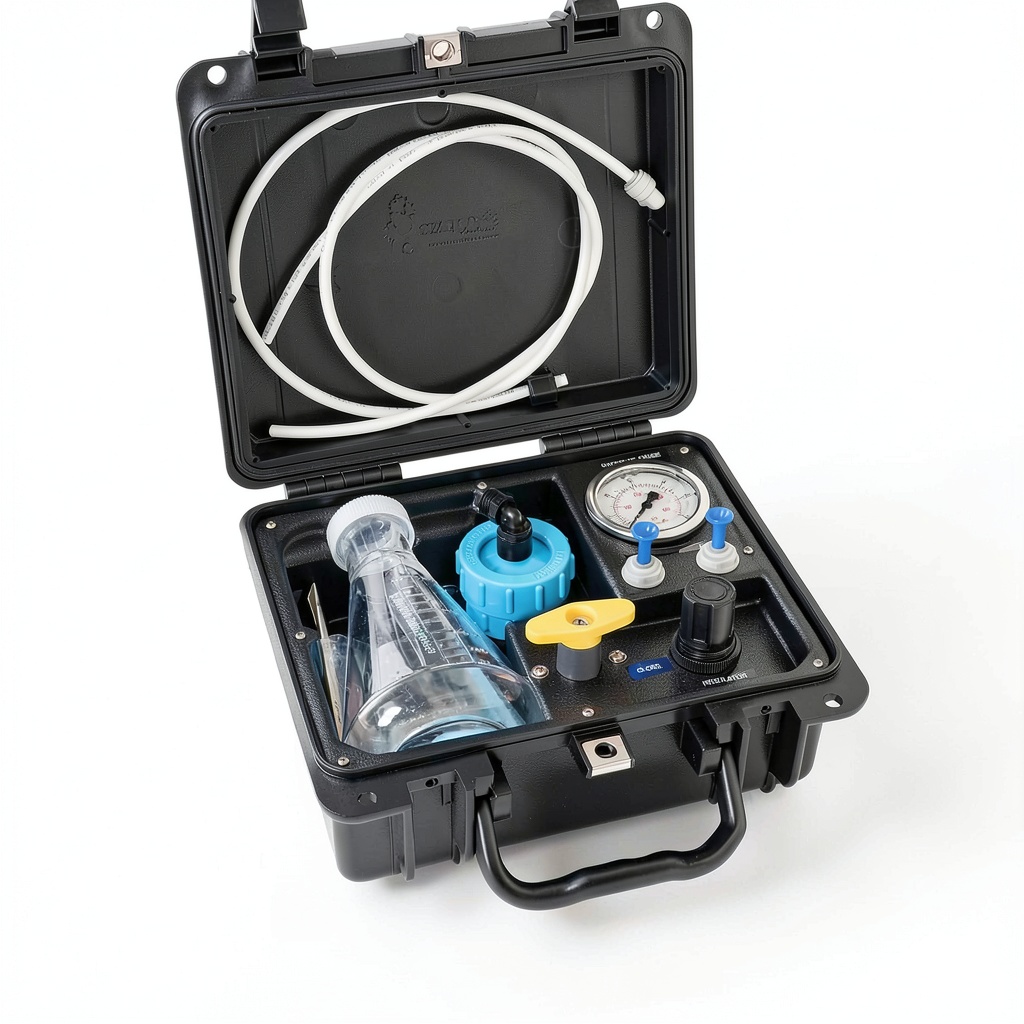
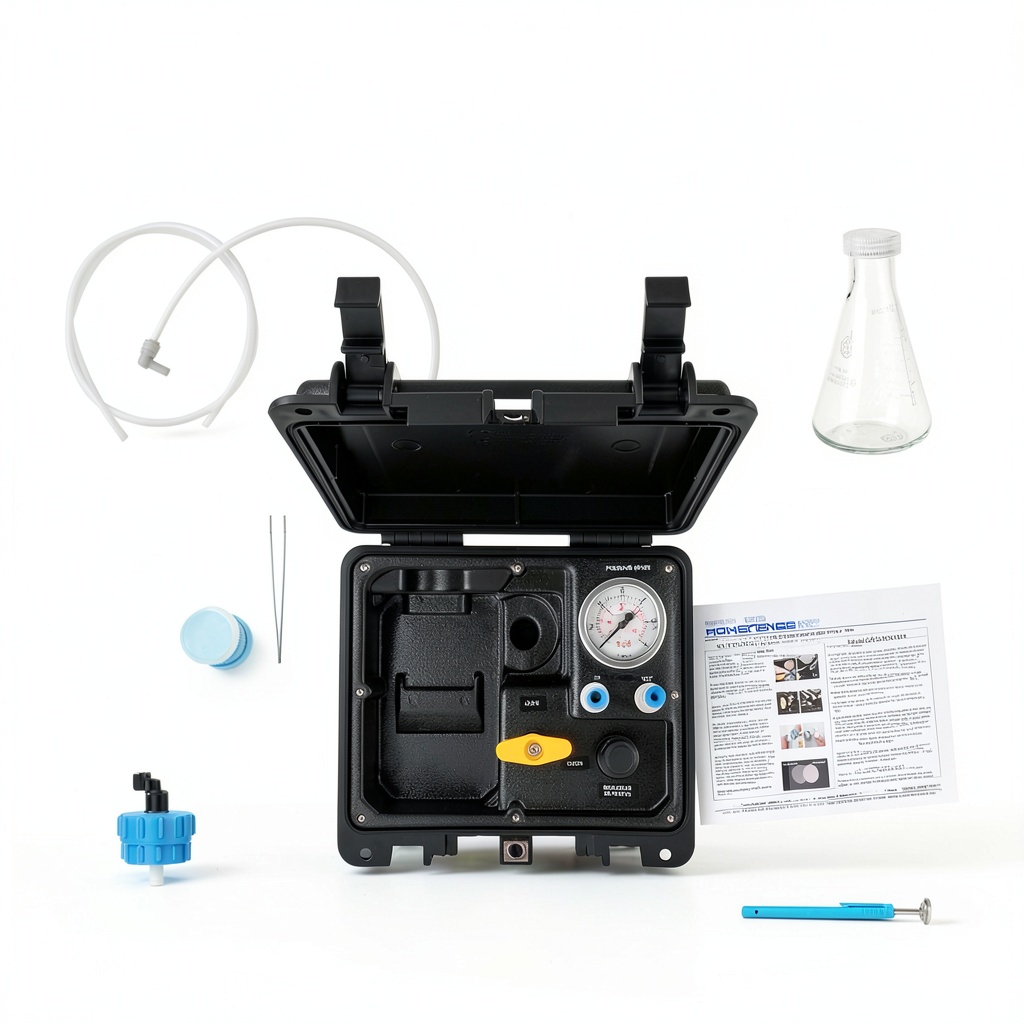
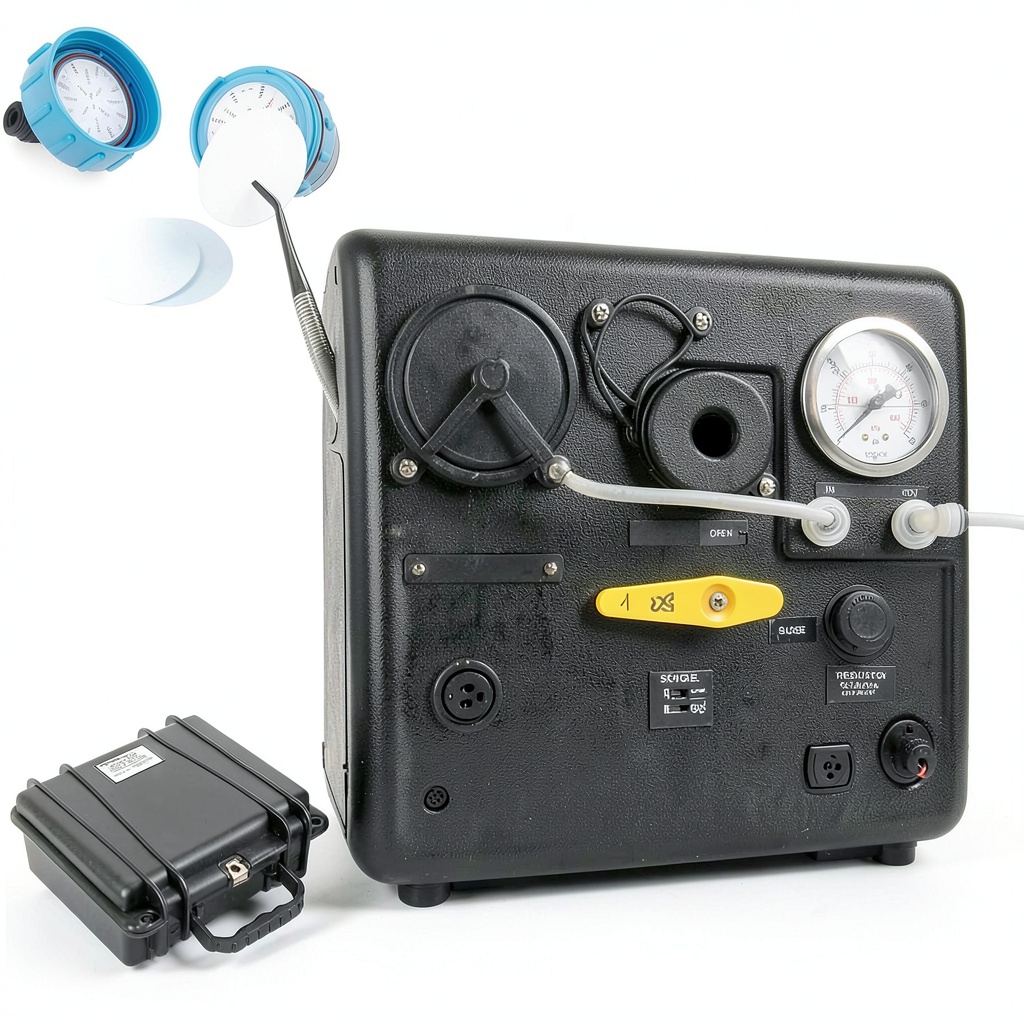
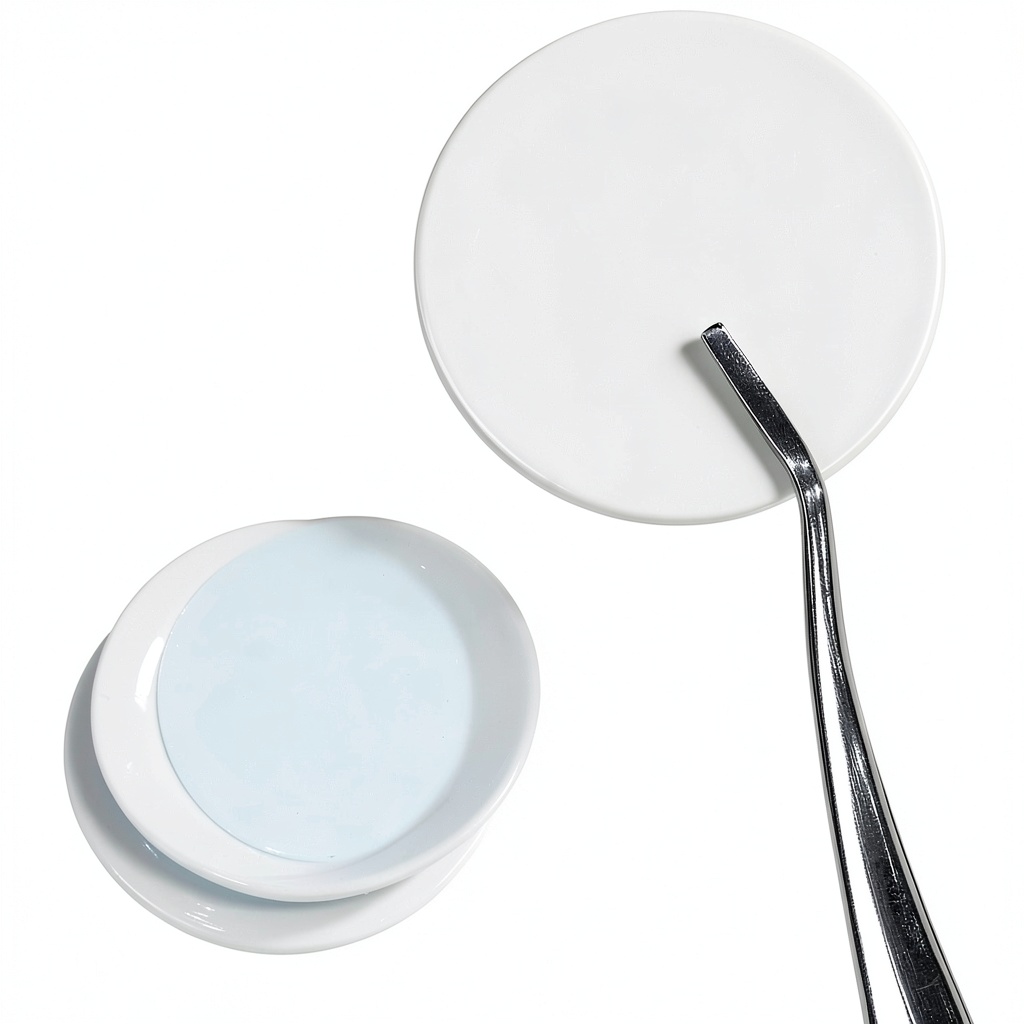
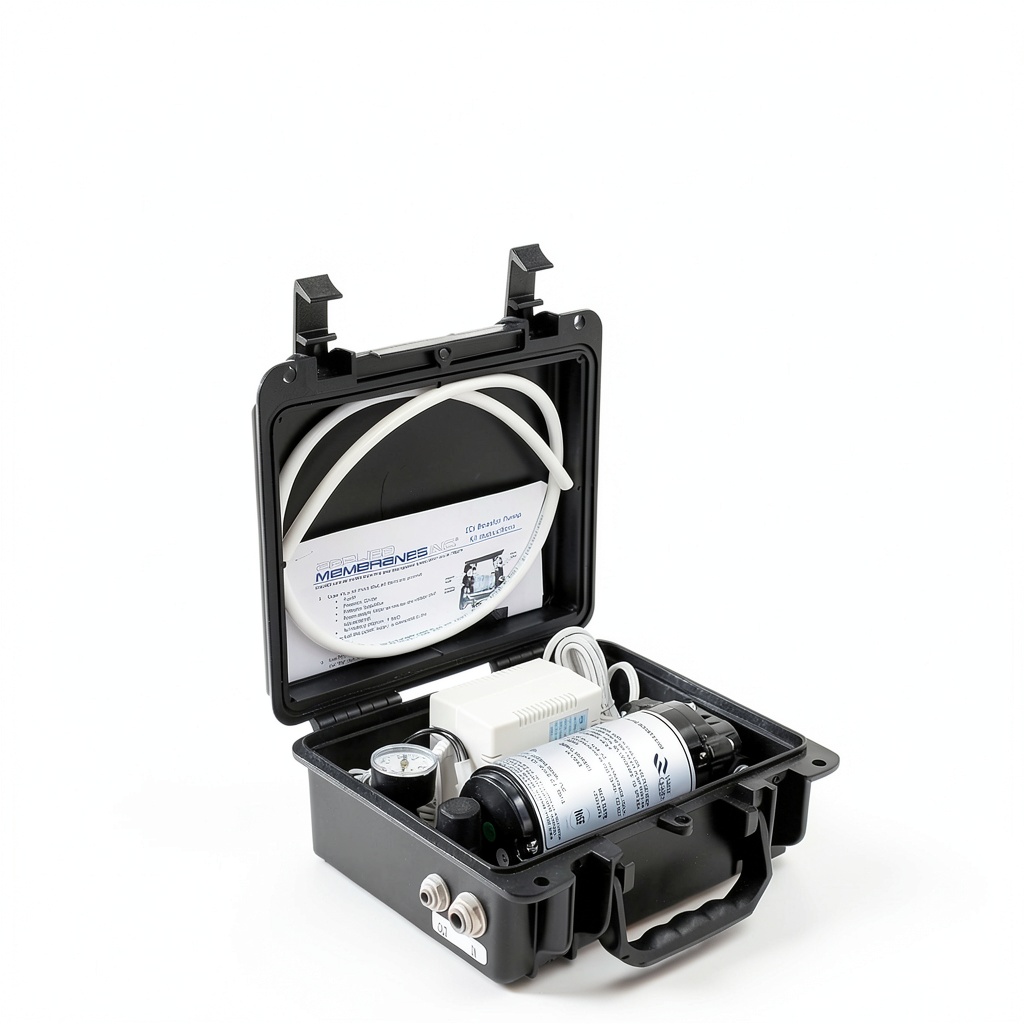
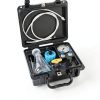
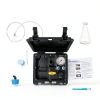
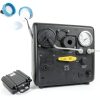
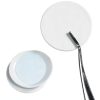
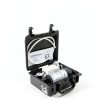
The Applied Membranes SDI-2000 is a compact, portable water‑testing kit designed to measure the Silt Density Index (SDI) of feed water for reverse osmosis (RO) systems. Constructed from high‑impact polymer housing and stainless‑steel fittings, the kit withstands the rigors of field work while maintaining precise calibration. It includes two 0.45 micron test filters, a calibrated pressure gauge, a 10‑foot tubing set, and a rugged carrying case that keeps all components organized and protected during transport. The kit complies with ASTM D4189 standards, ensuring that results are consistent with laboratory‑grade analysis. Dimensions of 11 × 11 × 6 inches and a weight of just under 5 lb make it easy to carry to remote sites, and the clear, step‑by‑step instructions reduce operator error, delivering reliable data in roughly 20 minutes.
![[Product front view showing all components]](https://www.bodycareco.store/wp-content/uploads/2026/07/effe7e562b514763a022fb2219f15684.jpg)
Usage
This kit is ideal for industrial plants, water‑treatment facilities, and field technicians who need to assess feed water quality before RO filtration. It works best when water pressure is at least 30 psi, a common condition in most municipal and well water sources. Users simply connect the tubing to a pressure source, insert the test filter, and run the water through the system while monitoring the pressure drop. The resulting SDI value indicates the level of silt and particulate matter, allowing operators to adjust pretreatment processes, replace media, or schedule maintenance before costly membrane fouling occurs. The portable case enables on‑site testing in harsh environments, from construction sites to remote mining operations, eliminating the need to ship samples to a laboratory.
Why Choose Us
Applied Membranes has over 40 years of experience delivering water‑purification solutions worldwide. Every SDI‑2000 kit is manufactured in the United States under ISO 9001:2015 quality‑management standards, guaranteeing consistency and durability. Our customers benefit from a responsive technical support team that can assist with calibration, interpretation of results, and integration into existing water‑management programs. In addition, we offer optional pump‑assembly kits and replacement filter cartridges, ensuring that the testing system remains functional for the life of the RO installation. Choosing the SDI‑2000 means investing in a proven, reliable tool that protects expensive membrane assets and extends system uptime.
Key Features
- Portable design fits in a single carrying case for easy field deployment.
- Provides accurate SDI results in about 20 minutes, reducing downtime.
- Includes two 0.45 micron filters that meet ASTM D4189 standards.
- Durable polymer housing and stainless‑steel fittings resist impact and corrosion.
- Dedicated technical support and optional accessories ensure long‑term reliability.
FAQ
What water pressure is required for accurate SDI testing?
The kit requires a minimum of 30 psi water pressure to generate reliable measurements. Pressures below this level may produce inconsistent SDI values.
Can the SDI‑2000 be used with water sources other than municipal supply?
Yes, the kit works with well water, surface water, and any feed water source that can provide the necessary pressure. It is especially useful for evaluating pretreatment needs in varied environments.
How often should I perform SDI testing on my RO system?
We recommend testing at least once per month for critical applications, and after any major change to pretreatment processes or feed water quality. Frequent testing helps prevent membrane fouling and extends system life.
Are replacement filters available for the SDI‑2000?
Replacement 0.45 micron filters are sold separately and are compatible with the original kit. Keeping a spare set on hand ensures uninterrupted testing capability.
What does an SDI value indicate?
The SDI value quantifies the amount of silt and particulate matter in the water. Higher values suggest more solids, which can lead to faster membrane fouling, while lower values indicate cleaner feed water suitable for RO filtration.


Reviews
There are no reviews yet.